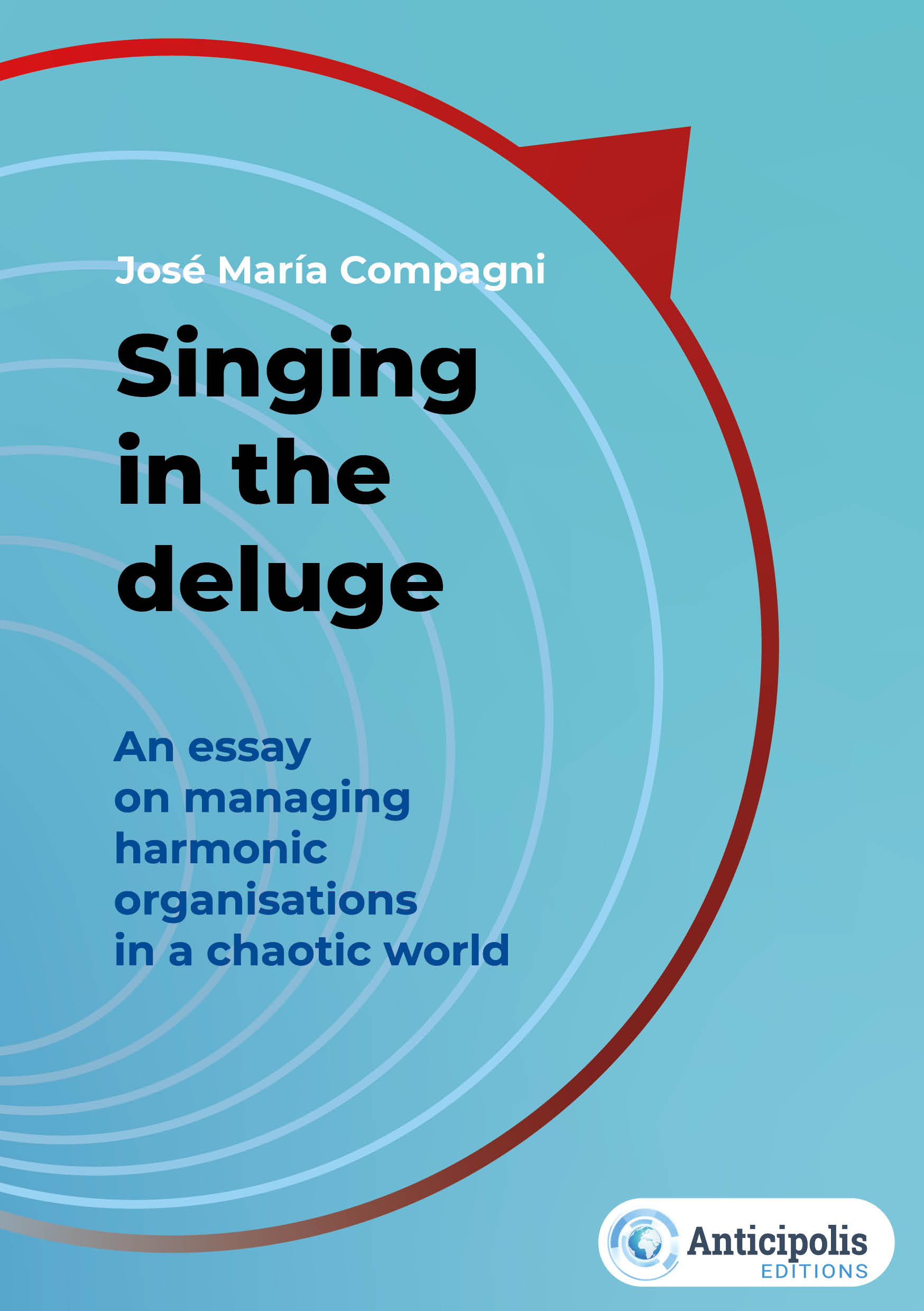
Description
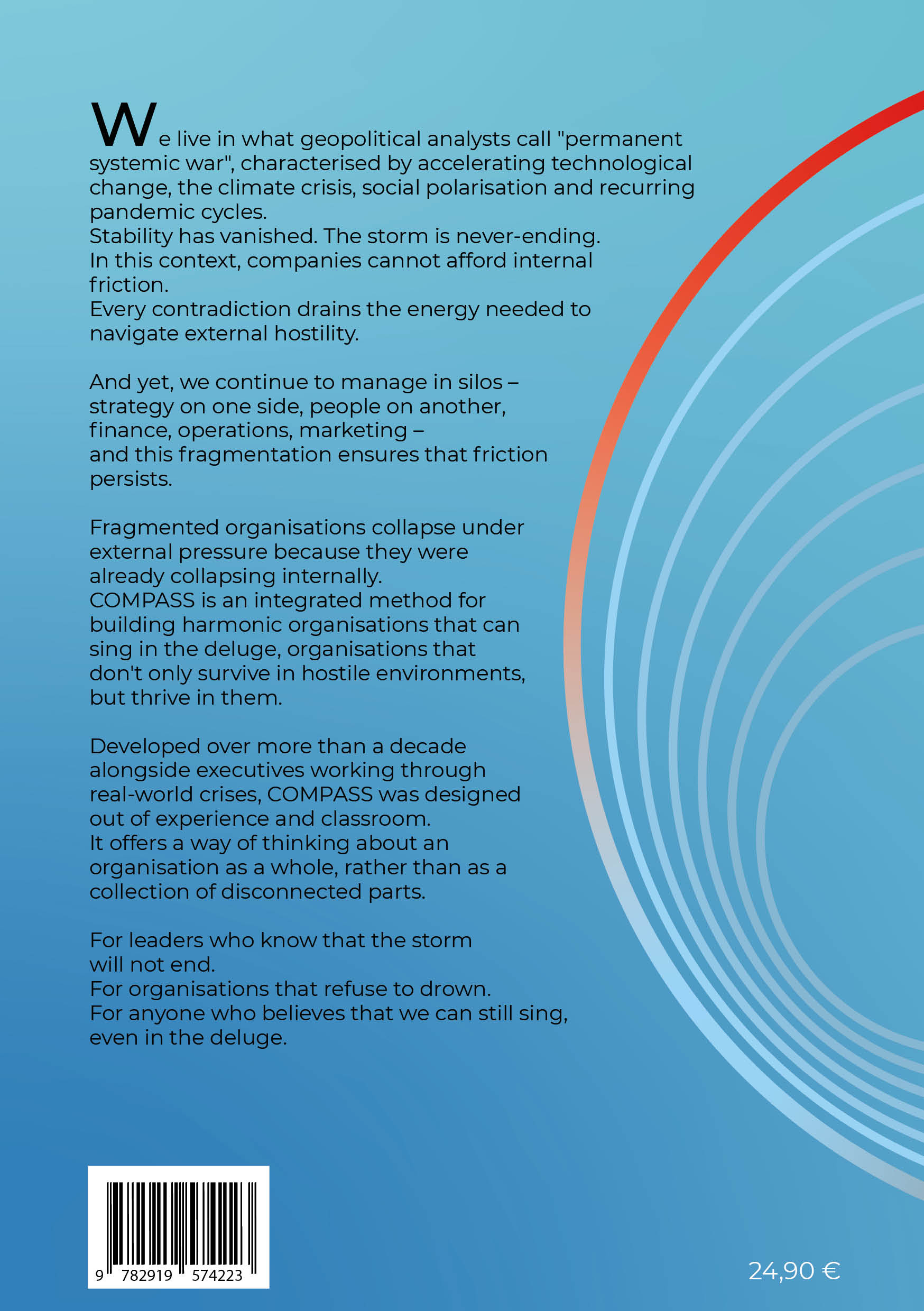
The vision of the future of business that underpins this book is compelling. It points towards the economic landscape that will emerge from the great technological revolution currently dominating public debate. Once AI has taken over entire areas of the routine, mechanical work performed by employees across the production system, what will remain? Human beings. Serving one another.
When the dust has settled on the battle to adapt to AI, this is precisely the kind of book people will need to have read to find their rightful place in tomorrow’s economy.
In this work, José María Compagni brings together the lessons of his personal and professional experience in his COMPASS method. He sets out a vision of a society that is both humane and committed to excellence, introducing new tools that complement the established repertoire of management techniques while adding a dimension of social responsibility that makes all the difference.
SUMMARY
In contrast to the traditional business-school approach of dividing management into separate, compartmentalized disciplines, COMPASS proposes viewing business management as a continuous flow of interconnected knowledge, presented in seven chapters:
C – Culture: The ‘air and earth’ of an organisation, including safety culture, a subject that almost no one teaches.
O – Objectives: From long-term ambitions to individual projects and concrete actions.
M – Dynamic Mapping: Anticipating opportunities and threats through an industrial foresight methodology.
P – Positioning and Value Proposition: Choosing a defensible path that creates value.
A – Activities, Processes and Tasks: The workflow and the central role of people.
S – Series of 360° Interactions: The method’s key innovation: managing interactions with empathy, recognising that, taken together, they shape experiences.
S – Supervising Results: Measuring, learning and consolidating what works.
AUTHOR(S)
José María Compagni
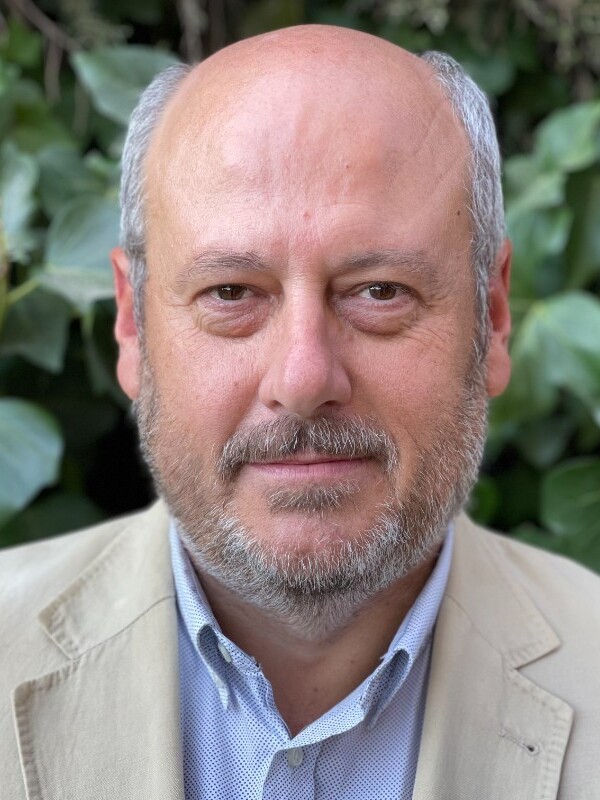
Born in Seville in 1965, José María Compagni has built an international career at the intersection of industry, management and executive education. After spending twenty years leading the international development of a Spanish lift-components company (which grew from 60 to more than 1,000 employees, with exports rising to 90% of its turnover), he turned his experience towards supporting leaders and organisations through change.
His career has taken him to live in the Netherlands and the United Kingdom, coordinate teams across more than twenty countries, and teach at IE University. In 2013, he founded Docensas, through which he trains executives and middle managers in several countries. He also serves as Secretary General of EFESME, the European Federation for Small and Medium-sized Enterprises in the Lift Industry, and collaborates with the LEAP2040 think tank.
With Singing in the Deluge, the culmination of more than a decade of hands-on experience working with leaders and organisations, he introduces his COMPASS method for the first time: a framework designed to foster more harmonious organisations in a changing world.